

Weather conditions create some of the most challenging visibility situations drivers face on the road. Bright sunshine, pouring rain, thick fog, blinding snow, and sudden transitions between weather patterns all test your ability to see clearly and respond appropriately. Auto window tinting offers a solution that many drivers overlook when considering visibility enhancements. While most people associate window films primarily with heat reduction or privacy, properly selected films actually improve your ability to see in diverse weather conditions throughout the year.
The relationship between window tinting and visibility seems counterintuitive at first. After all, adding something to your windows would seem to reduce rather than enhance your view. Capital Wrappers recognizes that this misconception prevents many drivers from experiencing the genuine visibility benefits that quality films provide. Modern film technology selectively filters light in ways that enhance contrast, reduce problematic glare, and help your eyes maintain better focus across weather changes. Capital Wrappers specializes in helping drivers understand how strategic window tinting creates clearer, safer visibility when conditions become challenging and unpredictable.
The Visibility Challenge Across Different Weather Scenarios
Each weather condition presents unique visibility obstacles. Bright sun creates intense glare. Rain generates reflections and water distortion. Fog reduces contrast and depth perception. Snow produces white-out conditions that eliminate visual reference points. Understanding these specific challenges helps explain how window tinting addresses each one.
Why Untreated Glass Struggles With Weather Extremes
Standard automotive glass transmits light indiscriminately, allowing all wavelengths and intensities through without filtering. This means your eyes must constantly adjust to dramatic changes in brightness, color temperature, and light quality as weather shifts. Your pupils dilate and constrict repeatedly, your brain works overtime processing conflicting visual information, and eye fatigue sets in much faster than it would under stable lighting conditions. Window films create a consistent baseline that smooths these extreme variations, allowing your visual system to maintain better adaptation regardless of external weather fluctuations.
Glare Reduction During Bright Sunny Conditions
Intense sunshine creates visibility problems that extend beyond simple brightness. The angle of sunlight, reflections from surrounding surfaces, and direct exposure all combine to create hazardous glare situations.
Managing Direct Sunlight Reflection
When sunlight hits your windshield or side windows at certain angles, it creates intense reflection that can temporarily blind you or significantly reduce your ability to see traffic, pedestrians, or road hazards. Car window tinting reduces this reflection by absorbing and dissipating light energy before it reaches your eyes. The reduction typically ranges from 40% to 80% depending on the film grade, which translates directly into improved visibility during those critical moments when sun angle creates dangerous glare situations.
Reducing Road Surface Glare
Wet pavement, snow-covered roads, and desert surfaces all reflect sunlight upward into your field of vision. This reflected glare is often more problematic than direct sunlight because it comes from unexpected angles and creates confusion about road conditions ahead. Quality window films help your eyes maintain better contrast sensitivity, allowing you to distinguish between actual road features and reflected light patterns more effectively.
Improved Vision During Rain and Wet Conditions
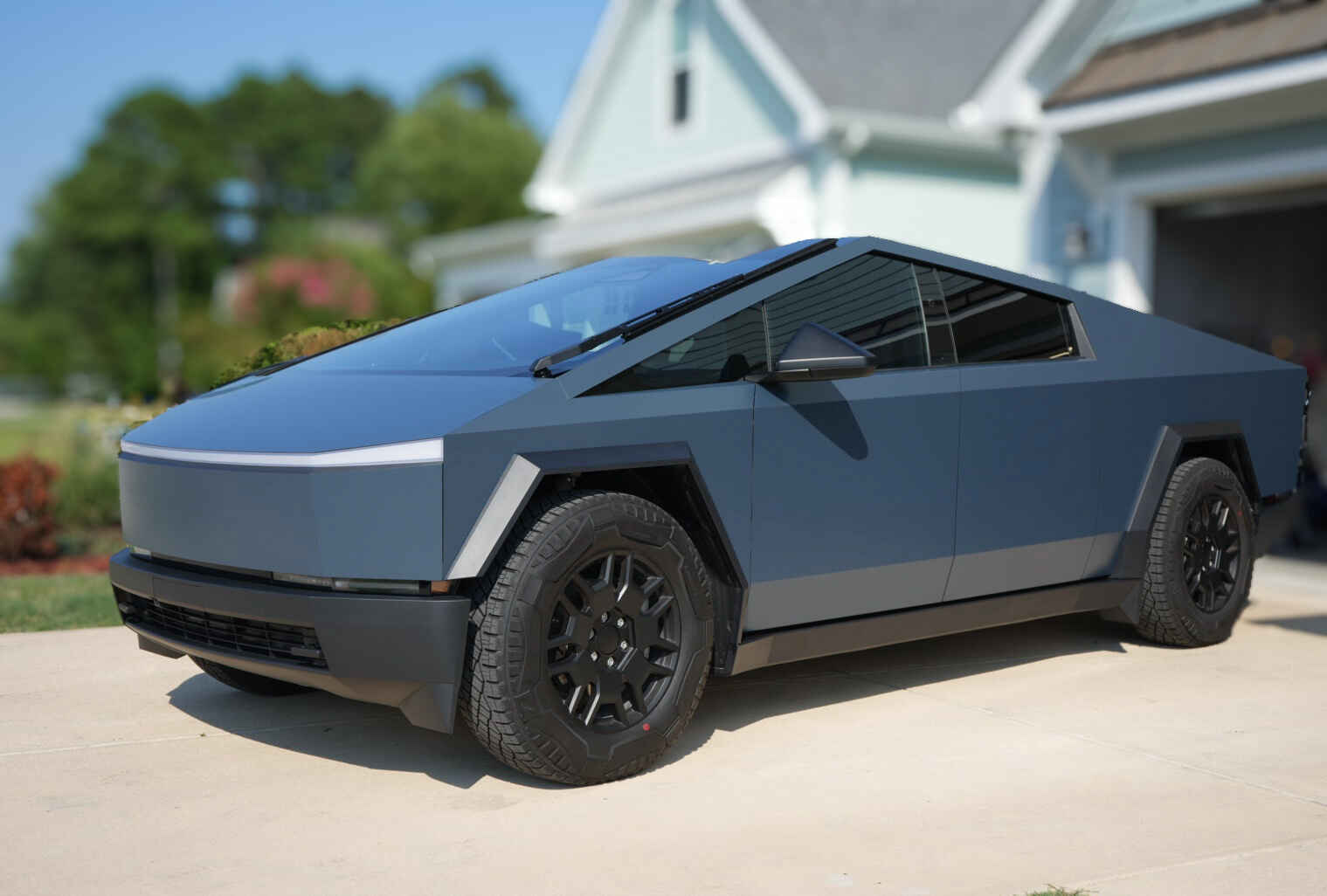
Rain creates multiple visibility challenges simultaneously. Water on your windows distorts vision, wet roads create reflections, and reduced light levels strain your visual acuity.
Reducing Headlight Reflection in Rainfall
Other vehicles’ headlights and taillights create intense reflections on wet roads during rain. These reflections scatter and multiply, creating visual confusion that makes it difficult to judge distances and positions accurately. Working with a professional auto window tint shop to select films with proper light filtering characteristics helps reduce this reflection intensity. Your view becomes clearer because the film moderates the extreme brightness differences between dark pavement and brilliant reflections.
Minimizing Water Glare on Glass Surfaces
Even with functioning wipers, water droplets on your windows catch and scatter light from various sources. Tinted windows reduce the intensity of light passing through these water droplets, which decreases the starburst effect that makes each droplet a small light source. The result is improved ability to see through rain-covered windows between wiper passes.
Enhanced Clarity in Foggy and Misty Weather
Fog presents unique visibility challenges because it doesn’t just block light, it scatters and diffuses it in ways that eliminate contrast and depth perception.
Contrast Enhancement Through Film Technology
Quality window tinting actually enhances contrast in low visibility conditions like fog. The films filter out certain wavelengths of light while allowing others through more readily. This selective filtering helps define edges and shapes that would otherwise blend into foggy backgrounds. Your brain receives clearer visual information about where objects begin and end, improving your spatial awareness even when fog reduces overall visibility. Capital Wrappers emphasizes that this benefit becomes particularly noticeable during morning commutes through areas prone to fog or mist accumulation.
Snow and Winter Visibility Improvements
Winter driving presents some of the most extreme visibility challenges, with snow creating both direct obstruction and dangerous light conditions.
Reducing Snow Blindness Effects
Fresh snow reflects up to 90% of sunlight, creating incredibly bright conditions that can cause temporary vision impairment known as snow blindness. This intense brightness forces your pupils to constrict severely, reducing your overall field of vision and making it difficult to see subtle details like road edges or other vehicles. Window tinting provides critical protection against this brightness overload, allowing your eyes to maintain better dilation and preserving your peripheral vision even when surrounded by reflective snow.
Managing Reflected Light From White Landscapes
Beyond direct snow blindness, winter landscapes covered in snow create constant bright light from all directions. This eliminates shadows and depth cues that your brain normally uses to judge distances and positions. Visiting a window tinting shop that understands winter visibility needs helps you select films that reduce this pervasive brightness while maintaining the clarity needed to distinguish important visual details in monochromatic winter environments.
Dust Storm and Haze Performance Benefits
Arid regions experience dust storms and atmospheric haze that create brownish or yellowish visibility obstruction. These conditions are particularly disorienting because they alter color perception while reducing clarity.
Filtering Diffused Light in Low Visibility
During dust storms or heavy haze, light doesn’t travel directly but bounces between particles in the air. This creates diffused illumination that lacks directionality and makes it extremely difficult to judge where light sources are located. Window films help by reducing the overall light intensity entering your vehicle, which paradoxically improves your ability to see in these conditions. Lower light levels allow your pupils to dilate more, increasing light gathering capability and improving your sensitivity to the subtle visual cues that remain available during dust or haze events.
Night Driving and Headlight Glare Management
Nighttime visibility challenges differ completely from daytime issues. The primary problem becomes managing intense point light sources against very dark backgrounds.
Reducing Oncoming Vehicle Light Intensity
Modern LED and HID headlights produce incredibly bright, blue-white light that creates significant glare for oncoming drivers. This glare temporarily impairs your night vision adaptation, forcing your eyes to readjust after each passing vehicle. Auto window tinting moderates this intensity without significantly reducing your ability to see the road ahead. The films take the edge off extreme brightness while allowing sufficient light through for safe nighttime navigation.
Rearview Mirror Glare Control
Vehicles behind you with bright headlights create glare through your rearview mirror that can be genuinely distracting and dangerous. While your rearview mirror might have a dimming feature, side mirrors typically don’t. Window tinting on rear and side windows reduces this glare significantly, allowing you to maintain better awareness of traffic behind and beside you without the constant distraction of bright lights in your peripheral vision. Capital Wrappers often notes that drivers who frequently travel at night report this benefit as one of the most immediately appreciated improvements after professional installation.
Transition Period Visibility During Weather Changes
Some of the most dangerous moments occur during rapid weather transitions when visibility shifts dramatically within seconds or minutes.
Dawn and Dusk Lighting Challenges
The transition periods between day and night create unique visibility problems. Light levels change rapidly, weather patterns often shift during these times, and your eyes struggle to maintain proper adaptation. Window films provide consistent light moderation that helps your visual system adapt more smoothly during these transitions. The filtered light entering your vehicle changes less dramatically as external conditions shift, reducing the adaptation workload on your eyes and brain.
Film Color and Tint Selection for Weather Optimization
Different film colors and tints affect visibility in weather conditions differently. Understanding these relationships helps optimize your selection for your typical driving environment.
Neutral vs. Colored Films for Visibility
Neutral gray and charcoal films provide the most accurate color perception across all weather conditions, making them ideal for drivers who experience diverse weather patterns. Bronze and copper-tinted films enhance contrast in foggy or hazy conditions but can distort color perception in ways that affect your ability to read traffic signals correctly. Blue-tinted films reduce yellow light effectively, which helps in dust or pollution-heavy environments. Capital Wrappers guides drivers through these options based on their specific regional weather patterns and personal visibility priorities.
Maintaining Clear Vision With Proper Film Maintenance
Even the best window tinting loses effectiveness if not properly maintained. Weather exposure creates specific maintenance needs that affect long-term visibility performance.
Cleaning Techniques for Optimal Performance
Films accumulate dust, pollen, road grime, and water spots that all degrade visibility. Regular cleaning with appropriate products maintains the optical clarity that provides visibility benefits. Harsh chemicals or abrasive materials can scratch or cloud films, permanently reducing their effectiveness. Using microfiber cloths and ammonia-free cleaners preserves the film’s optical properties throughout its lifespan. Capital Wrappers recommends cleaning tinted windows at least weekly in areas with high dust or pollen, and after any significant weather event that deposits debris on glass surfaces.
Final Thoughts
Window tinting is more than just an aesthetic choice; it is a practical tool for improving visibility in changing weather conditions. From reducing sun glare to enhancing contrast on rainy or foggy roads, the right tint helps drivers see clearly, respond faster, and reduce fatigue. For drivers in regions with unpredictable weather, choosing high-quality tint and professional installation from a trusted Window Tinting Shop like Capital Wrappers can make a measurable difference in safety, comfort, and confidence behind the wheel.
FAQs
Will darker window tint always improve visibility in bright conditions better than lighter tint?
Darker tint reduces more light but doesn’t automatically improve visibility. Modern films use selective wavelength filtering rather than just overall darkness to enhance visibility. Quality lighter films often provide better visibility across diverse conditions than very dark films that compromise night vision.
Can window tinting help reduce eye strain during long drives in varying weather?
Absolutely. Window tinting reduces the constant visual adjustments your eyes make as weather and lighting conditions change. This consistent light moderation decreases eye fatigue significantly, particularly during drives that span multiple hours and different weather patterns throughout the journey.
Does window tinting affect my ability to see traffic lights and signs in bad weather?
Quality neutral-tinted films don’t impair your ability to see traffic signals or signs. Colored films can affect color perception, so neutral options are recommended if accurate color recognition is a priority for your driving environment and typical weather conditions.
How does window tinting compare to polarized sunglasses for weather visibility?
Window tinting provides constant protection for all occupants and works day and night, while sunglasses only protect the driver’s eyes during use. Polarized sunglasses can eliminate certain reflections more completely, but films offer broader weather protection without requiring you to remember to wear them.
Will old or damaged window tint actually reduce visibility in bad weather?
Yes, degraded film with bubbles, scratches, or fading can significantly impair visibility by creating distortions and uneven light filtering. Old tint should be removed and replaced to restore proper visibility performance, especially if you frequently drive in challenging weather conditions.
